How to Choose the Best AC Cover to Protect Your Unit
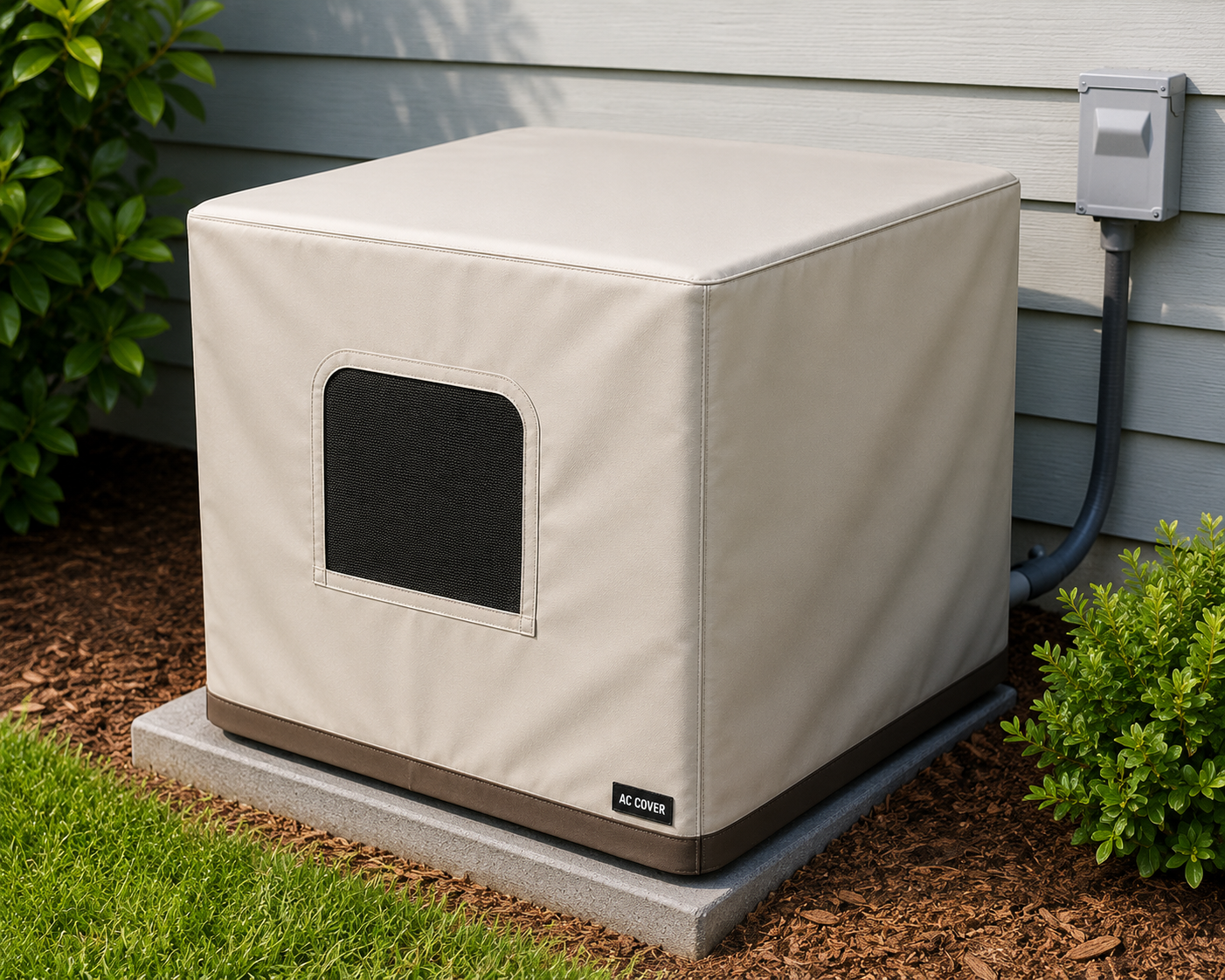
An air conditioner is a huge investment for any homeowner. To keep it running smoothly, many people use an ac cover during the cold winter months. This protective shield sits directly over your outdoor condenser unit when it is not in use. It acts like a sturdy raincoat, blocking out harsh elements that can cause serious physical damage over time.
Without an ac cover, your cooling system is completely exposed to nature. Falling leaves, heavy snow, and freezing rain can easily find their way inside the metal grates. When debris gets trapped inside, it can cause the internal parts to rust or freeze. Using a durable ac cover is a simple way to protect your machine and ensure it is ready for summer.
Table of Contents
The Big Debate: To Cover or Not to Cover?
There is a lot of discussion among homeowners about whether an ac cover is actually necessary. Some people worry that trapping moisture inside the unit can cause more harm than good. This can happen if you use a cheap, solid plastic tarp that does not allow the metal to breathe. Moisture needs a way to escape so mold does not grow.
However, a high-quality, modern ac cover is designed with special air vents. These vents allow trapped moisture to evaporate safely while still blocking heavy snow and ice from entering. Choosing the right style of ac cover solves the moisture problem entirely. It gives your cooling system the perfect balance of protection and airflow throughout the off-season.
Protecting Your Unit From Winter Snow and Ice
Winter weather can be incredibly brutal on outdoor appliances. Heavy snow can pile up on top of your unit, putting a lot of weight on the fan blades. Even worse, freezing rain can form a thick layer of ice inside the delicate aluminum fins. A custom-fit ac cover keeps these freezing elements from touching your expensive equipment.
When ice melts and freezes repeatedly inside the machine, it expands. This expansion can bend the metal parts and crack the coils. By draping a heavy-duty ac cover over the top, you prevent ice from settling in the first place. It is a smart preventive step that saves you from waking up to a broken system in the spring.
Keeping Leaves, Twigs, and Debris Away
Fall is a beautiful season, but it brings a shower of dying leaves and small twigs. If your outdoor unit sits under trees, these leaves will drop straight into the fan housing. Over time, this wet organic matter creates a thick layer of mulch at the bottom. A reliable ac cover stops this debris from gathering inside.
When leaves sit inside the unit, they hold onto moisture and cause the base pan to rust out quickly. Cleaning out a clogged system is a messy, difficult chore. Using an ac cover during autumn keeps the interior completely spotless. You will save hours of cleaning time and protect your system from premature wear and tear.
Product Specifications and Material Comparison
To help you choose the best protection for your home, we put together a simple reference table. It breaks down the most popular materials used for these protective shields.
| Feature | Vinyl Covers | Canvas Covers | Mesh/Top-Only Covers |
| Water Resistance | Excellent (Waterproof) | High (Water-repellent) | Medium (Keeps out large items) |
| Breathability | Low (Needs vents) | High (Natural airflow) | Maximum Airflow |
| Pest Protection | Full Coverage | Full Coverage | Top Protection Only |
| Durability | High | Very High | High |
| Best Used For | Heavy rain and snow | All-weather protection | Fall debris protection |
Preventing Rust and Corrosion on Metal Parts
Air conditioners are made of metal, which means they are always at risk of rusting. Rain, humidity, and morning dew can slowly eat away at the outer casing and inner coils. A weather-resistant ac cover acts as a shield against this constant moisture. It keeps the metal dry and looking brand new for many years.
Rust does more than just make your unit look ugly. It can create tiny holes in the refrigerant lines, causing expensive chemical leaks. A good ac cover preserves the integrity of the metal components. It ensures that the system remains airtight and fully functional whenever you need to cool down your home.
Stopping Unwanted Critters From Nesting Inside
Small animals love to find warm, dry places to build their winter homes. Mice, rats, and birds view an open air conditioner as a perfect luxury apartment. They can chew through electrical wires and build messy nests out of straw and lint. Wrapping your unit in a secure ac cover keeps these furry pests far away.
Animal damage can be incredibly expensive to repair. If a rodent chews through a vital wire, your system will completely fail to start up. A tight-fitting ac cover seals off the entrance points, making it impossible for critters to crawl inside. It protects your electrical components from unexpected animal mischief.
How to Install Your Cover Correctly and Safely
Putting on an ac cover is a quick task that anyone can complete in under ten minutes. First, make sure you turn off the electrical power to the air conditioner at the outdoor breaker box. This prevents the machine from accidentally turning on while the shield is attached. Next, clear away any existing leaves or twigs from the top.
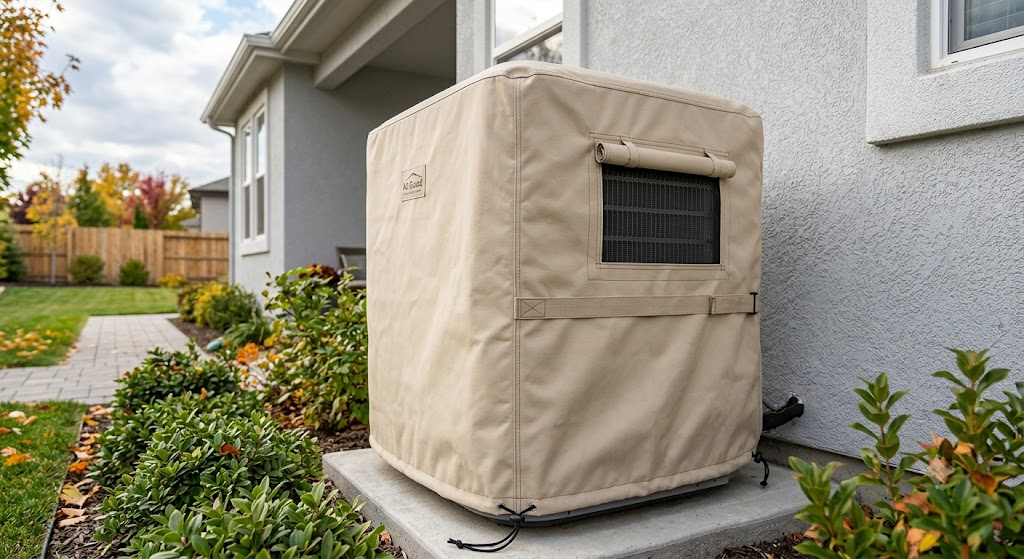
Gently slide the ac cover over the unit, pulling it down evenly on all sides. Secure the straps or drawstrings tightly at the bottom so the wind cannot blow it away. Make sure the air vents on the ac cover are facing outward to allow proper circulation. Now, your system is safely locked down for the winter season.
When to Take the Cover Off Your Unit
The most important rule of using an ac cover is remembering to remove it before the warm weather arrives. Never run your air conditioner while the shield is still attached to the machine. Doing this will completely block the airflow, causing the system to overheat and burn out the compressor instantly.
As soon as the spring weather warms up, go outside and unfasten the straps. Remove the ac cover, shake out any dust, and fold it up neatly for summer storage. Check the unit one last time to ensure everything looks clean and clear. Taking the ac cover off early avoids any accidental damage during the first hot day of the year.
Choosing the Right Size for a Perfect Fit
When shopping for an ac cover, size matters immensely. If the shield is too big, it will sag and pool water on top, or blow away in a storm. If it is too small, you will stretch the fabric and rip the seams. You must measure the height, width, and depth of your condenser box accurately.
Many manufacturers offer a universal ac cover that fits standard square or round units. However, getting a custom-fit option with adjustable straps is always the safest bet. A snug ac cover looks neat in your yard and provides the absolute best defense against the outdoor elements.
Summary: A Simple Step for Long-Lasting Comfort
Taking care of your air conditioner does not require professional mechanical skills. Investing in a quality ac cover is a simple, cost-effective way to extend the lifespan of your cooling system. It guards against snow, ice, leaves, rust, and pests with very little effort on your part.
Spend a few minutes measuring your outdoor unit this weekend. Pick up a breathable, heavy-duty ac cover that matches your home’s needs. By taking this small step today, you ensure a cool, comfortable, and stress-free home when summer rolls around next year!
Frequently Asked Questions
Can I run my air conditioner with the ac cover on?
No, you must never run your system while it is covered. Blocking the airflow will cause the unit to overheat rapidly, which can permanently destroy the expensive compressor motor.
Should I cover my AC unit during the summer?
No, you should leave the unit completely open during the summer months when it is in active use. An ac cover is only meant for the autumn and winter off-season.
How do I clean my outdoor appliance cover?
You can easily clean your ac cover by spraying it down with a garden hose. Use a soft brush and mild soap for stubborn dirt, then let it air dry completely before storing.
Will a cover cause my air conditioner to rust?
A cover will only cause rust if it is made of cheap, non-breathable plastic that traps moisture. A high-quality ac cover features built-in air vents that allow damp air to escape safely.
Do I need to cover the entire unit down to the ground?
It is actually better if the ac cover leaves the bottom few inches exposed. This open gap allows proper air circulation and prevents trapped moisture from building up at the base.
What happens if leaves get inside my uncovered AC?
Leaves hold onto moisture and create a wet sludge at the bottom of your unit. This constant dampness rusts the base pan and can create a breeding ground for mold and bugs.