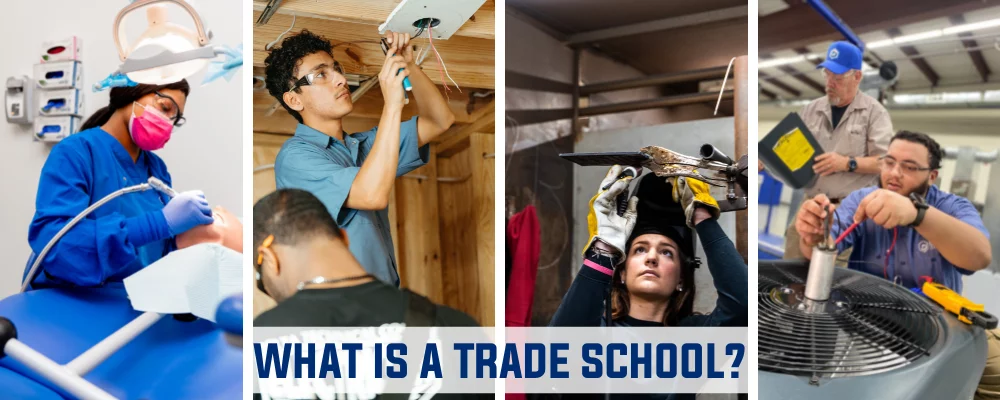
What Is Trade School? Your Complete Guide to Quick Career Success
Have you ever wondered how people become plumbers, electricians, or medical assistants? They do not spend four years at a traditional college reading huge textbooks. Instead, they choose a different path to learn specific job skills very quickly. If you want a great career without spending a fortune, you might ask yourself: what is trade school? This guide will help you understand exactly how these schools work and why they are a fantastic choice for many students.
Choosing a career path is one of the biggest decisions you will ever make in your life. Many people think that going to a standard university is the only way to get a good job. However, times are changing fast, and many high-paying jobs today do not require a four-year degree at all. When you look into what is trade school, you see a world of hands-on learning that gets you ready to work in the real world much faster than traditional college.
Table of Contents
Understanding the Basics: What Is Trade School?
A trade school is a special type of educational institution that teaches students the exact skills they need for a specific job. Unlike regular colleges, you do not take general education classes like history or poetry here. Instead, if you want to be an automotive technician, you spend your time working on real car engines from day one. It is a highly focused environment built for people who prefer doing over sitting in a lecture hall.
When people ask me what is trade school, I always tell them it is the shortest line between learning and earning. You focus only on the practical knowledge required for your future career. This means every single class you take is useful for your job. You learn from instructors who have actually worked in the industry for many years, giving you real-world knowledge that you cannot get from a regular textbook.
How Trade Schools Differ from Traditional College
Regular colleges focus a lot on theory, big ideas, and general knowledge across many different subjects. Trade schools are completely different because they focus entirely on practical, hands-on training for one specific career. At a university, you might spend semesters studying the history of communication. At a trade school, you learn how to weld steel pipes or fix a broken air conditioner right away.
The time you spend in school is also a massive difference between the two choices. A standard college degree usually takes four long years to complete. On the other hand, a trade school program can be finished in just one or two years. Some intense certificate programs even take less than a year. This means you can start earning a real paycheck while your friends at universities are still studying for midterms.
Types of Career Paths Offered in Vocational Training
Vocational schools offer a massive variety of career paths for every type of interest. If you like working with your hands, you can study plumbing, carpentry, welding, or electrical work. These are essential jobs that society always needs, meaning your skills will always be in demand. People will always need their lights to turn on and their toilets to flush, no matter what.
If you prefer technology or healthcare, trade schools have amazing programs for those fields too. You can train to become a dental hygienist, a medical records specialist, or a computer network technician. There are even creative fields like culinary arts, graphic design, and cosmetology. The options are truly endless, and each path leads directly to a real, steady job in the workforce.
The True Cost: Comparing Tuition and Student Debt
College debt is a huge problem for millions of young adults today. The average cost of a four-year university can leave students with tens of thousands of dollars in loans. This debt can take decades to pay off, forcing people to delay buying a home or starting a family. When you ask what is trade school, you will be happy to learn it costs a fraction of the price.
Because trade school programs are much shorter, you pay for far fewer semesters. You also do not have to pay for expensive university housing, campus activity fees, or giant meal plans. This keeps your total education cost very low. Most trade school graduates enter the workforce with very little debt or no debt at all, giving them a massive financial head start in life.
Time Savings: How Fast Can You Graduate?
Time is money, and spending four years in school means four years of not earning a full-time salary. Trade schools value your time by cutting out the fluff and focusing only on what matters. Most students graduate with a diploma or certificate in twelve to twenty-four months. This rapid turnaround is perfect for anyone who wants to start their adult life quickly.
Imagine graduating high school at eighteen and being a fully certified technician earning a great salary by nineteen. That is the reality for many people who choose vocational training. You save years of your life that would otherwise be spent sitting in classrooms. This extra time in the workforce allows you to start saving money and building your career much earlier than college students.
Hands-On Learning: The Benefits of Practical Experience
Many people learn best by actually doing the work with their own two hands. If you hate sitting at a desk listening to someone talk for hours, regular college might feel like a prison. Trade schools are designed for active learners. You spend most of your day in workshops, labs, or real work environments using the actual tools of your trade.
This hands-on experience builds incredible confidence before you even graduate. When you apply for a job, you can tell employers that you already know how to operate the machinery. You do not just know the theory behind the work; you have actually done it successfully. Employers love this because they do not have to spend months training you from scratch.
Job Placement Rates and Career Demand
One of the best things about trade schools is their high job placement rates. Most vocational schools have very close relationships with local businesses and employers. These companies trust the school and actively look to hire graduates as soon as they finish their training. Many schools even have dedicated placement offices to help you write resumes and find open jobs.
The demand for skilled tradespeople is incredibly high right now. Many older workers are retiring, and there are not enough young people entering the trades to replace them. This shortage means that companies are competing for good workers. When you know what is trade school and complete your training, you will find a job market that is eager to hire you immediately.
Earnings Potential: What Do Trade Graduates Make?
There is a common myth that you can only make good money if you go to a four-year university. That is simply not true anymore. Many skilled trade professionals earn salaries that are equal to or higher than college graduates. Because trade workers are in such high demand, companies are willing to pay top dollar for their specialized skills.
For example, experienced electricians, plumbers, and aircraft mechanics can easily earn very comfortable salaries. Many trade workers also choose to start their own businesses after gaining a few years of experience. As a business owner, your earning potential becomes even higher. You can set your own rates, hire your own employees, and build real wealth all on your own terms.
Is Trade School Right for You? How to Decide
Deciding your future path requires some honest thinking about your personal strengths and interests. Do you enjoy solving practical problems and working with physical objects? Do you want to avoid massive student debt and start working as soon as possible? If you answered yes to these questions, then finding out what is trade school might be the best thing you ever do.
However, if you love deep academic research, writing long essays, or want a career in fields like law or medicine, a traditional university is still the correct choice. Trade school is not better or worse than college; it is just a different tool for a different job. Think about how you like to learn and what kind of daily work will make you happy.
Detailed Trade School Profile Table
To give you a clear picture of what to expect, let us look at some common statistics for popular paths. This table shows the average time and costs involved in these careers.
| Career Path | Average Training Time | Core Skills Learned | Common Work Environment |
| Electrician | 1 to 2 Years | Wiring, safety codes, circuit repair | Construction sites, homes, businesses |
| HVAC Technician | 6 to 12 Months | Heating, cooling systems, refrigeration | Residential and commercial buildings |
| Welder | 7 to 11 Months | Metal joining, blueprint reading, safety | Manufacturing plants, construction |
| Medical Assistant | 12 to 18 Months | Patient care, vital signs, office tasks | Doctors’ offices, hospitals, clinics |
| Automotive Mechanic | 1 to 2 Years | Engine repair, diagnostics, brake systems | Repair shops, car dealerships |
Conclusion: Take Action for Your Future
Learning what is trade school opens up a world of affordable, fast, and exciting career options. You do not have to follow the crowd to a traditional university if it does not fit your style. A vocational education can give you a stable, high-paying career with minimal debt in just a year or two. It is a smart and practical choice for the modern world.
If you are ready to take control of your future, start researching local trade schools today. Look at the programs they offer, visit their campuses, and talk to their instructors. Your dream career might be much closer and more affordable than you ever imagined. Take the first step now and explore what these amazing schools can do for you.
Frequently Asked Questions
What is trade school exactly?
A trade school is a post-secondary institution that focuses entirely on teaching technical skills for a specific job. Students get hands-on training to prepare for careers like welding, plumbing, or medical assisting without taking unrelated college classes.
How long does it take to finish trade school?
Most trade school programs take between six months and two years to complete. This is much shorter than a traditional four-year college degree, allowing you to enter the workforce and earn money much faster.
Is trade school cheaper than a regular four-year college?
Yes, trade schools are generally much more affordable than standard universities. Because the programs are shorter and do not require on-campus living fees, students graduate with significantly less student loan debt.
Can I make good money after graduating from a trade school?
Absolutely! Many skilled trade professionals earn excellent salaries that match or beat the earnings of college graduates. High demand for tradespeople means companies pay very well for good skills.
Do trade schools help students find jobs after graduation?
Yes, most trade schools have excellent job placement programs. They work closely with local businesses to help graduates find open positions, write resumes, and prepare for interviews right after finishing school.
What is the difference between a trade school and a vocational school?
There is actually no real difference between the two terms. “Trade school,” “vocational school,” and “technical college” are just different names used to describe the exact same type of career-focused education.